
Table of Contents
Developing a Delivery App Like HungerStation for Saudi Arabia
In recent years, the demand for food delivery services has surged significantly in Saudi Arabia. With the success of platforms like HungerStation, businesses are exploring opportunities to create similar delivery apps that cater to the local market. This article delves into the essential features, development steps, market potential, user experience, cost factors, and marketing strategies involved in developing a delivery app like HungerStation.
What Features Should a Delivery App Like HungerStation Have?
Essential Features for a Food Delivery App
A successful food delivery app like HungerStation must include essential features that enhance user experience. Firstly, a user-friendly interface is crucial for both customers and restaurant partners. This interface should allow users to browse menus, place orders, and make payments seamlessly. Additionally, the application should support multiple delivery options, including cash on delivery and various electronic payment solutions.
Furthermore, a multi-vendor marketplace feature enables restaurants to list their offerings, providing customers with a variety of choices. Lastly, incorporating customer reviews and ratings can foster trust and improve service quality, ultimately enhancing customer satisfaction.
Moreover, integrating location-based services is vital for real-time order tracking. This allows customers to monitor their orders, providing transparency and reassurance during the delivery process. Notifications about order status, estimated delivery times, and promotions can further engage users and improve their overall experience with the food delivery app. In summary, incorporating these essential features is fundamental for any business aspiring to create an app like HungerStation, positioning themselves for success in a competitive market.
Integration Options for Payment Gateway
To create an efficient delivery app like HungerStation, integrating a reliable payment gateway is essential. A payment gateway serves as a bridge between the app and financial institutions, enabling secure transactions. Considering the diverse payment preferences in Saudi Arabia, it’s vital to offer multiple options including major credit cards, debit cards, and local payment solutions. Furthermore, incorporating cash on delivery as a payment option can cater to a broader audience, ensuring that customers feel comfortable with their payment choices.
Additionally, implementing robust security measures within the payment gateway is paramount to protect customer data and build trust. Utilizing encryption technology and compliance with industry standards can safeguard sensitive information during transactions. By providing a seamless and secure payment experience, your delivery app will not only attract more users but also retain them, fostering long-term customer loyalty. In conclusion, selecting the right payment gateway integration is a critical component in the development of a successful food delivery app.
Real-Time Order Tracking Solutions
Real-time order tracking is a game-changer in the food delivery industry and is an essential feature for any delivery app like HungerStation. This functionality allows customers to track their orders from the moment they are placed until they arrive at their doorstep. Implementing GPS technology enables users to view the delivery driver’s location in real-time, providing transparency and enhancing user satisfaction. Additionally, real-time notifications about order status and estimated delivery times keep customers informed and engaged throughout the process.
Moreover, real-time tracking can significantly improve the logistics management of the delivery service. It helps in optimizing delivery routes, thereby reducing delivery times and increasing efficiency. For businesses, this means better fleet management and lower operational costs.
By prioritizing real-time order tracking solutions in your delivery app development, you ensure a superior customer experience that can differentiate your app in a competitive market. Ultimately, this feature not only boosts customer trust but also plays a crucial role in the success of your food delivery application.
How to Start the Development of a HungerStation Clone?
Steps to Create an App Like HungerStation
Creating a delivery app like HungerStation requires a systematic approach. The first step is to conduct comprehensive market research to understand the competitive landscape and identify customer preferences. This research will help inform the features and functionalities your app should include.
Next, outline the app’s architecture and design user-friendly interfaces that cater to both customers and restaurant partners. Once the planning phase is complete, the actual development process can begin, involving coding, testing, and ensuring that all features function as intended.
After the development phase, it’s crucial to conduct rigorous testing to identify and rectify any bugs or issues before launching the app. This includes performance testing, usability testing, and security checks. Once the app is tested and refined, a strategic marketing plan should be developed to promote the app effectively.
Finally, after the launch, continuous monitoring and updates based on user feedback will ensure the app remains relevant and competitive. In summary, following these steps will set a strong foundation for launching a successful food delivery app like HungerStation.
Key Considerations for App Development
When developing a delivery app like HungerStation, several key considerations must be taken into account to ensure its success. Firstly, understanding the local market dynamics in Saudi Arabia is essential. This includes knowing the preferences of customers, popular food items, and the competitive landscape.
Additionally, regulatory requirements related to food delivery services should be thoroughly researched to avoid legal complications. Another important consideration is the technology stack; selecting the right tools and platforms can significantly impact the app’s performance and scalability.
Moreover, engaging with experienced developers and designers can enhance the app’s functionality and user interface. Collaboration with a reputable food delivery app development company can provide valuable insights and expertise throughout the development process.
Equally important is planning for future scalability; your app should be designed to accommodate growth, such as expanding into grocery delivery or adding new features based on evolving customer needs. By addressing these key considerations, you can create a robust and successful food delivery application that stands out in the market.
Choosing the Right Development Company
Selecting the right development company is crucial when creating an app like HungerStation. A reputable mobile app development company with a proven track record in building successful delivery applications can provide the expertise needed for your project.
Start by researching potential companies, examining their portfolios, and reading client testimonials to gauge their experience in the food delivery app development industry. It’s important to choose a company that understands the unique challenges and opportunities in the Saudi Arabian market.
Additionally, consider the development team’s skills in both front-end and back-end development, as well as their ability to integrate essential features such as payment gateways and real-time tracking.
Communication is also key; a company that maintains open lines of communication throughout the development process can ensure that your vision is effectively translated into the final product. In conclusion, making an informed choice when selecting a development partner can greatly influence the success of your delivery app, positioning it for rapid growth in a competitive industry.
What is the Market Potential for Food Delivery Apps in Saudi Arabia?
Current Trends in the Saudi Food Delivery Industry
The food delivery market in Saudi Arabia is witnessing significant growth, driven by changing consumer lifestyles and increasing reliance on technology. With a growing number of working professionals and busy families, there is a rising demand for convenient food delivery solutions.
Moreover, the advent of mobile app technology has made it easier for customers to place orders from their favorite restaurants with just a few taps. The trend of on-demand services is becoming increasingly popular, with consumers seeking quick and efficient delivery options.
Additionally, the COVID-19 pandemic has accelerated the shift towards online food ordering, as more people turned to delivery services during lockdowns. This trend has prompted many restaurants to partner with delivery platforms, expanding their reach and catering to the rising demand.
As a result, there is a thriving marketplace for food delivery applications like HungerStation, making it an opportune time for businesses to enter the market. By capitalizing on these trends, your food delivery app can establish itself as a key player in this rapidly growing industry.
Understanding Customer Preferences in Saudi Arabia
To ensure the success of a delivery app like HungerStation, understanding customer preferences in Saudi Arabia is paramount. Saudi consumers tend to favor local and traditional cuisines, alongside popular international options.
Therefore, your app should offer a diverse range of food choices to cater to various tastes and dietary requirements. Additionally, convenience is a significant factor; customers appreciate features like easy navigation, quick order placement, and multiple payment options, including cash on delivery, which remains popular in the region.
Furthermore, the cultural significance of family gatherings often translates into larger orders, so your app should facilitate group orders and special promotions for families. Engaging customers through loyalty programs and personalized promotions can also enhance user satisfaction and retention. By aligning the app’s offerings with customer preferences, you can create a more appealing experience that encourages repeat usage and fosters brand loyalty in the competitive food delivery landscape.
Competitive Analysis of Delivery Apps in the Region
Conducting a competitive analysis of delivery apps in Saudi Arabia is essential for understanding the landscape and positioning your app effectively. The market is home to established players like HungerStation, Talabat, and others, each offering unique features and services.
Analyzing their strengths and weaknesses can provide valuable insights into what works and what doesn’t in the industry. For example, some apps may excel in user interface design, while others may offer superior customer service or faster delivery times.
Furthermore, identifying gaps in the current offerings can help you define your app’s unique selling proposition. For instance, if competitors lack a robust grocery delivery service, integrating a grocery delivery feature within your app could attract a new segment of customers.
Additionally, keeping an eye on emerging trends, such as the incorporation of AI and machine learning for personalized recommendations, can give your app a competitive edge. By performing a thorough competitive analysis, you can strategically position your delivery app to meet market demands and stand out in a crowded space.
How to Ensure a Seamless User Experience in Your Delivery App?
Designing an Intuitive User Interface
Designing an intuitive user interface (UI) is critical for ensuring a seamless user experience in your delivery app. A well-designed UI should prioritize simplicity and ease of navigation, allowing users to quickly find what they need without confusion. Key elements include clear categorization of food items, an easily accessible search function, and visually appealing layouts that enhance engagement. Incorporating familiar design patterns can also help users feel comfortable and confident while using the app.
Additionally, it’s essential to optimize the UI for mobile devices, as many users will access your app via smartphones. Responsive design ensures that the app functions well across various screen sizes, providing consistent usability.
User testing can also provide valuable feedback on the interface, enabling continuous improvements based on real user experiences. By focusing on creating an intuitive UI, your delivery app can enhance customer satisfaction and encourage repeat usage, ultimately leading to a more successful food delivery platform.
Importance of Speed and Performance
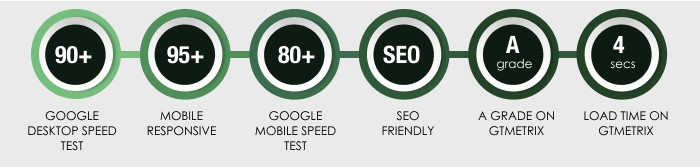
Speed and performance are vital components of a successful delivery app, directly impacting user satisfaction and retention. Customers expect quick loading times and efficient performance when placing their orders, as any delays can lead to frustration and abandonment.
Optimizing the app’s performance involves streamlining the code, reducing image sizes, and utilizing efficient backend solutions to ensure smooth operation. Additionally, regularly monitoring app performance and addressing any issues promptly can help maintain a high-quality user experience.
Moreover, fast delivery times are also crucial in the food delivery business, as customers increasingly seek on-demand services. Implementing efficient logistics and fleet management solutions can reduce delivery times, enhancing customer satisfaction.
By prioritizing speed and performance in your delivery app, you not only improve user experience but also strengthen your competitive position in the market, as quick service is often a key differentiator for customers when choosing a food delivery application.
Customer Support and Feedback Mechanisms
Providing exceptional customer support and incorporating feedback mechanisms are essential for maintaining a high level of user satisfaction in your delivery app. Offering multiple channels for support, such as live chat, email, and phone assistance, ensures that customers can easily reach out for help when needed.
Additionally, responsiveness to queries and complaints can significantly enhance customer loyalty and trust in your brand. Implementing a ticketing system can streamline support requests, allowing your team to manage and resolve issues efficiently.
Furthermore, actively seeking customer feedback through surveys, reviews, and in-app prompts can provide valuable insights into user experiences and preferences. This information can guide future app updates and feature enhancements, ensuring that your delivery app evolves in line with customer needs. By prioritizing customer support and feedback mechanisms, you create a positive user experience, fostering loyalty and encouraging users to recommend your app to others.
What are the Cost Factors Involved in Developing a Delivery App?
Understanding App Development Costs
Understanding the cost factors involved in developing a delivery app like HungerStation is crucial for budgeting and planning. Several elements contribute to the overall development cost, including design, features, platform choice, and the complexity of the app. Custom features such as real-time tracking, payment integration, and user authentication can increase development time and, consequently, costs. Additionally, the choice between developing for iOS, Android, or both platforms will also impact expenses, as cross-platform development may be more cost-effective.
Moreover, it’s essential to consider ongoing expenses such as server hosting, maintenance, and updates post-launch. Partnering with a reputable food delivery app development company can provide clearer estimates and help you navigate these costs effectively. By gaining a comprehensive understanding of app development costs, you can allocate resources efficiently and ensure a successful launch of your delivery app in the competitive Saudi market.
Budgeting for Marketing and Launch
Budgeting for marketing and launch is a fundamental aspect of developing a delivery app like HungerStation. Even with a well-built application, without effective marketing, it may struggle to gain traction in the competitive food delivery market. Allocate a portion of your budget for marketing campaigns, which can include online advertisements, social media promotions, and partnerships with local influencers. Additionally, incentivizing early users through discounts or promotional offers can help generate initial interest and encourage downloads.
Moreover, creating a comprehensive launch strategy is vital for maximizing visibility and attracting users from day one. This may involve organizing launch events, leveraging public relations, and utilizing email marketing to reach potential customers. Tracking the effectiveness of your marketing efforts through analytics can help refine future campaigns and optimize spending. By carefully budgeting for marketing and launch, you can ensure that your delivery app receives the attention it deserves and establishes a strong foothold in the market.
Ongoing Maintenance and Operational Costs
Ongoing maintenance and operational costs are critical considerations for any delivery app like HungerStation. After the initial launch, it is essential to allocate resources for periodic updates, bug fixes, and feature enhancements to keep the app running smoothly. Regular maintenance not only ensures optimal performance but also helps in addressing any user concerns promptly, which is vital for maintaining customer satisfaction. Additionally, investing in customer support services can enhance user experience, thereby fostering loyalty and retention.
Moreover, operational costs, including server hosting, payment processing fees, and logistics management, can also impact the overall budget. As your user base grows, these costs may increase, necessitating careful planning and resource allocation. Therefore, it is advisable to monitor these expenses closely and adjust budgets as needed to ensure sustainability. By accounting for ongoing maintenance and operational costs, you can successfully manage your delivery app’s finances and ensure its long-term viability in a competitive market.
How to Attract Users to Your Food Delivery Application?
Effective Marketing Strategies for Delivery Apps
Attracting users to your food delivery application requires well-planned and effective marketing strategies. Start by identifying your target audience and crafting tailored marketing messages that resonate with their preferences and needs. Utilizing digital marketing channels such as social media, search engine optimization (SEO), and pay-per-click advertising can significantly increase visibility and drive traffic to your app. Creating engaging content that showcases the benefits of your app, including unique features and promotions, can also attract potential users.
Furthermore, collaborations with local restaurants and businesses can enhance your marketing outreach. By partnering with popular dining establishments, you can leverage their customer base and increase your app’s credibility. Hosting promotional events or offering limited-time discounts can further entice users to download and try your app. By implementing these effective marketing strategies, you can create buzz around your food delivery application and attract a loyal user base.
Leveraging Social Media for Brand Awareness
Leveraging social media platforms is a powerful way to boost brand awareness for your food delivery application. By creating engaging and visually appealing content, you can capture the attention of potential users and encourage them to explore your app. Social media allows for direct interaction with customers, providing an opportunity to address inquiries and gather feedback. Regularly posting updates about new restaurant partnerships, special offers, and user testimonials can keep your audience engaged and informed.
Additionally, utilizing targeted advertising on platforms like Facebook and Instagram can help you reach a broader audience. These ads can be tailored to specific demographics, ensuring that your marketing efforts are reaching potential users who are more likely to engage with your app. Incorporating user-generated content, such as photos of food orders shared by customers, can also enhance authenticity and encourage others to try your service. By effectively leveraging social media, you can build a strong online presence and attract users to your food delivery application.
Partnership Opportunities with Local Restaurants
Forming partnership opportunities with local restaurants is an effective strategy for attracting users to your food delivery application. By collaborating with popular dining establishments, you can expand your app’s offerings and provide users with a diverse range of food choices.
Restaurants can benefit from increased visibility and sales through your platform, creating a mutually beneficial relationship. Consider offering promotional features for partner restaurants, such as special discounts or highlighted listings within the app to encourage participation.
Moreover, establishing strong relationships with restaurant owners can lead to exclusive deals and menu items that set your app apart from competitors. By showcasing local favorites and unique culinary offerings, you can enhance your app’s appeal to users seeking authentic dining experiences.
Additionally, hosting joint marketing campaigns can further promote both the restaurants and your app, driving user engagement and attracting new customers. By focusing on partnership opportunities with local restaurants, you can create a rich and appealing food delivery experience that attracts users to your application.
What Technologies are Essential for Building a Delivery App?
Choosing the Right Technology Stack
Choosing the right technology stack is crucial when you decide to develop an app like hungerstation. The hungerstation app serves as an excellent model for those looking to make an app like hungerstation, especially in the food delivery sector. When building a food delivery app, it’s essential to consider how the app will function for various users, including drivers, couriers, and end customers. A robust stack will support features like dispatch, last-mile logistics, and seamless e-commerce capabilities to ensure efficient food delivery in Saudi Arabia.
In the Gulf Cooperation Council (GCC) region, where demand for online food delivery is high, using a white-label solution can be an alternative for those looking to save on the cost to develop an app. An app development company in Saudi Arabia can help streamline the process of developing a food delivery app or even a hungerstation clone app. Whether you’re creating a grocery delivery app like hungerstation or any other variant, a solid foundation will ensure a successful launch and ongoing user engagement.